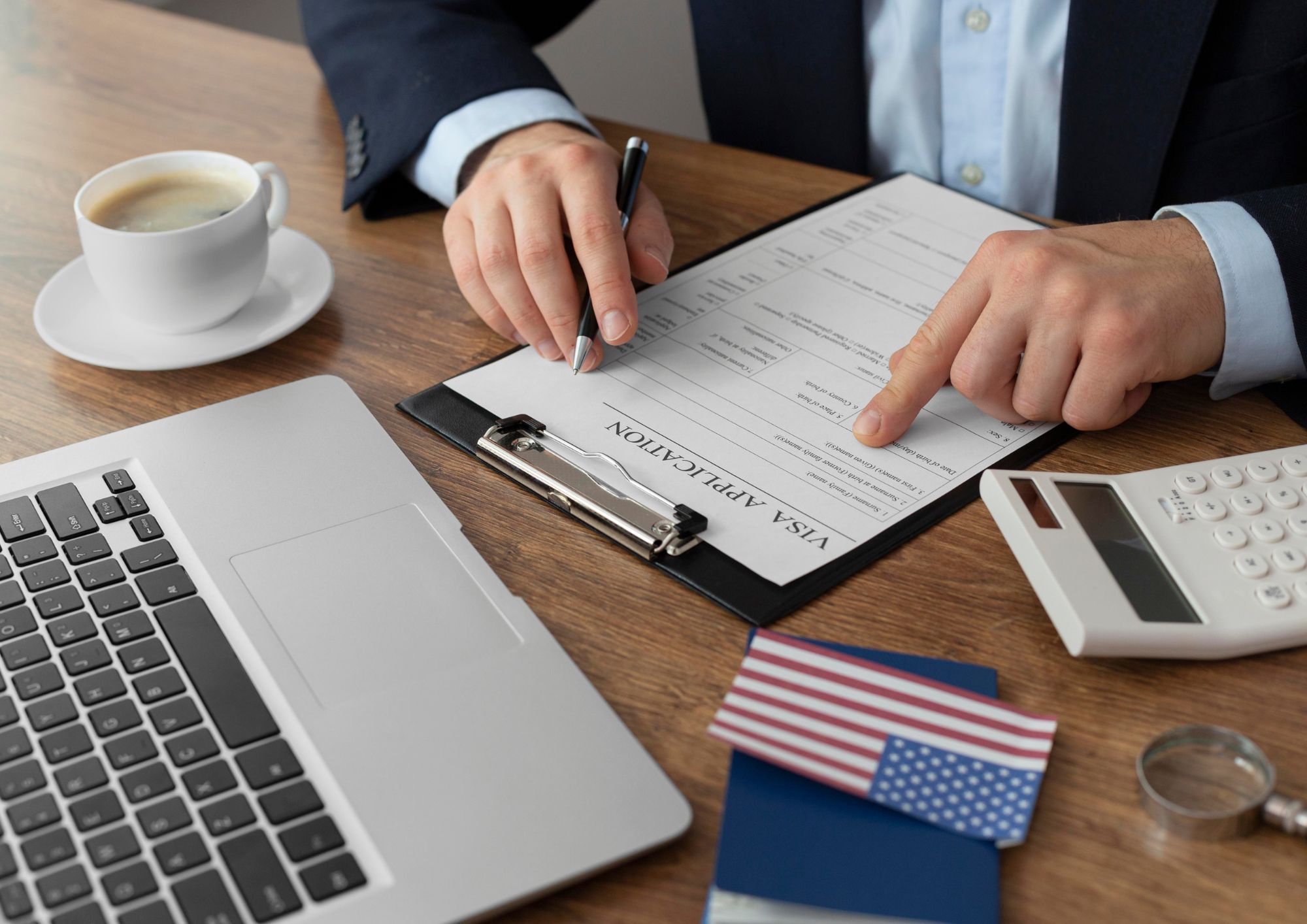
New USA ESTA Proposal: Social Media History May Be Required
The United States government has proposed new border security measures that could require tourists from visa-waiver countries to disclose up to five years of social media history when applying for entry.
This proposal applies to travellers entering the US under the Electronic System for Travel Authorization (ESTA), which allows short-term visits of up to 90 days without a visa.
What Has Been Proposed?
According to documents filed by the Department of Homeland Security (DHS) and U.S. Customs and Border Protection (CBP), ESTA applicants may be asked to provide:
- Social media accounts used over the last five years
- Telephone numbers used during the past five years
- Email addresses used over the past ten years
- Additional family-related information
The proposal has been published in the Federal Register, the official journal of the US government.
Who Will Be Affected?
If implemented, this rule could impact travellers from around 40 visa-waiver countries, including:
- United Kingdom
- Ireland
- France
- Australia
- Japan
These travellers currently enter the US using ESTA without attending a visa interview.
Is This Rule Final?
No. US authorities have clarified that this is not a final rule.
A CBP spokesperson stated that the proposal is only the first step in gathering public opinion and assessing security options. A 60-day public comment period has been opened.
Why Is the US Considering This?
The proposal follows an executive order titled “Protecting the United States From Foreign Terrorists and Other National Security and Public Safety Threats”.
US officials have said that screening online presence may help identify individuals who:
- Support terrorist organisations
- Promote violence or hate speech
- Pose threats to national security
Impact on Travellers & Tourism
Experts warn that the proposal could lead to:
- Longer ESTA processing times
- Increased scrutiny of digital activity
- Concerns over privacy and digital rights
Some analysts also believe the policy could discourage tourism, especially as the US prepares to host the 2026 FIFA World Cup and the 2028 Los Angeles Olympics.
Social Media Screening Is Already Used
Similar checks already apply to:
- Student visa applicants (F-1)
- H-1B skilled worker visas
- Certain embassy visa applicants
US embassies have warned that failing to disclose social media accounts can lead to visa refusal or future bans.
What Should Travellers Do Now?
- Do not panic – the rule is not final
- Ensure social media profiles contain lawful, respectful content
- Never hide or falsify information in visa or ESTA applications
- Seek professional guidance if unsure about digital history
Guidance from A V Globetrotter™
At A V Globetrotter™, we help travellers understand evolving US immigration rules and prepare applications with transparency and accuracy.
Important Disclaimer: Final decisions are always made by US immigration authorities. We provide guidance and filing support based on official sources.